
القائمة

هل تحتاج إلى مساعدة؟
Hong Kong address: UNIT C1, 6/F, KAISER ESTATE PHASE 1
41 MAN YUE STREET, HUNG HOM, KOWLOON, HONG KONG
الهاتف: +8615323851929
البريد الإلكتروني: sales@eagletir.com
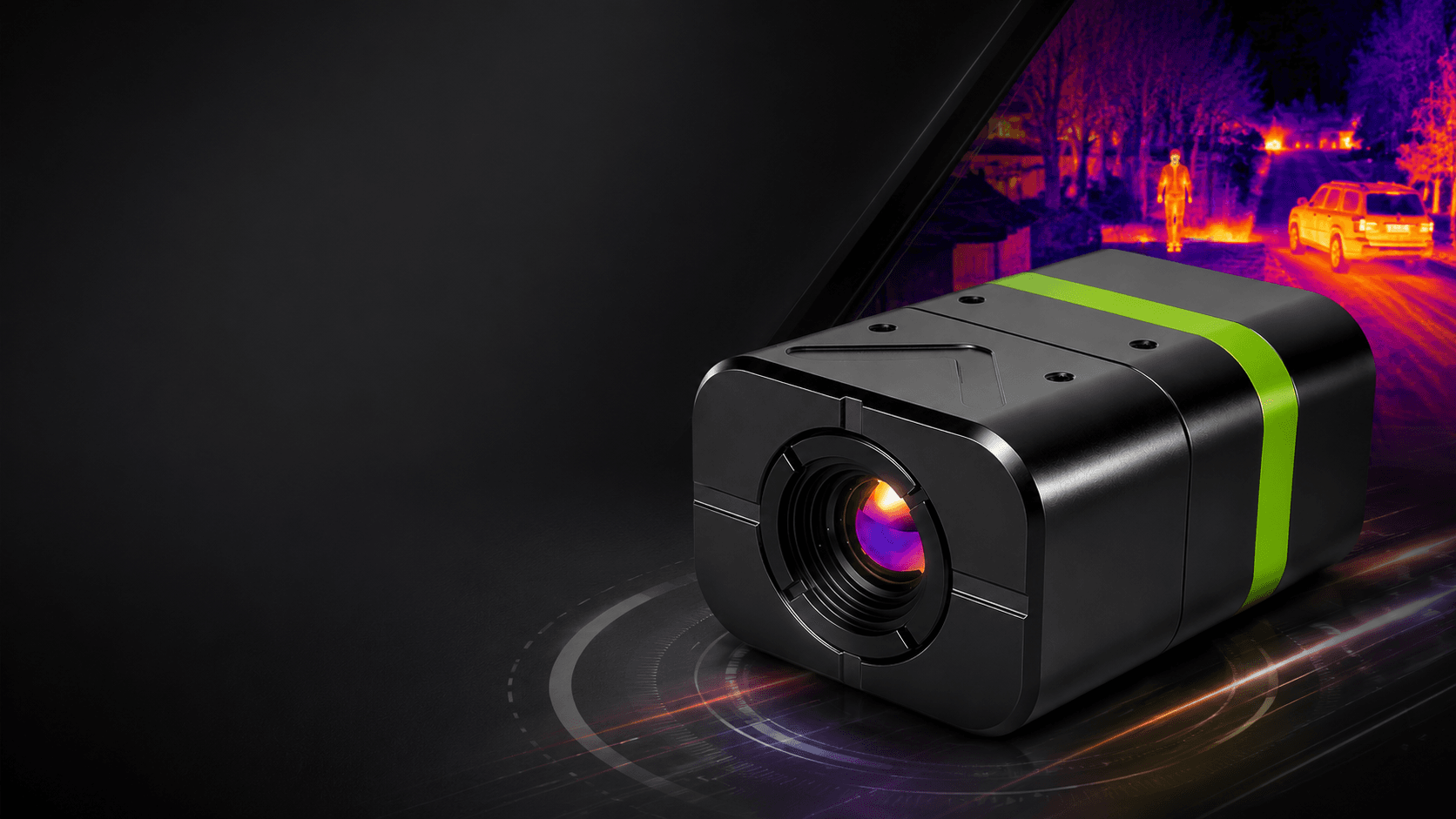
تقدم إيغليت حلول تصوير حراري عالية الأداء، بدءًا من وحدات التصوير الحراري الأساسية وصولًا إلى أنظمة الأشعة تحت الحمراء المتكاملة، وذلك لتطبيقات الفحص الصناعي، والأمن، والأنظمة غير المأهولة، والمراقبة الخارجية.
من وحدات التصوير الحراري المدمجة إلى أنظمة المراقبة متعددة الأطياف، توفر مجموعات منتجاتنا أساسًا عمليًا لتطبيقات الرؤية الذكية.
وحدات الأشعة تحت الحمراء المدمجة غير المبردة، مصممة لتكامل الأنظمة، والتفتيش الصناعي، والأمن، والمنصات غير المأهولة.
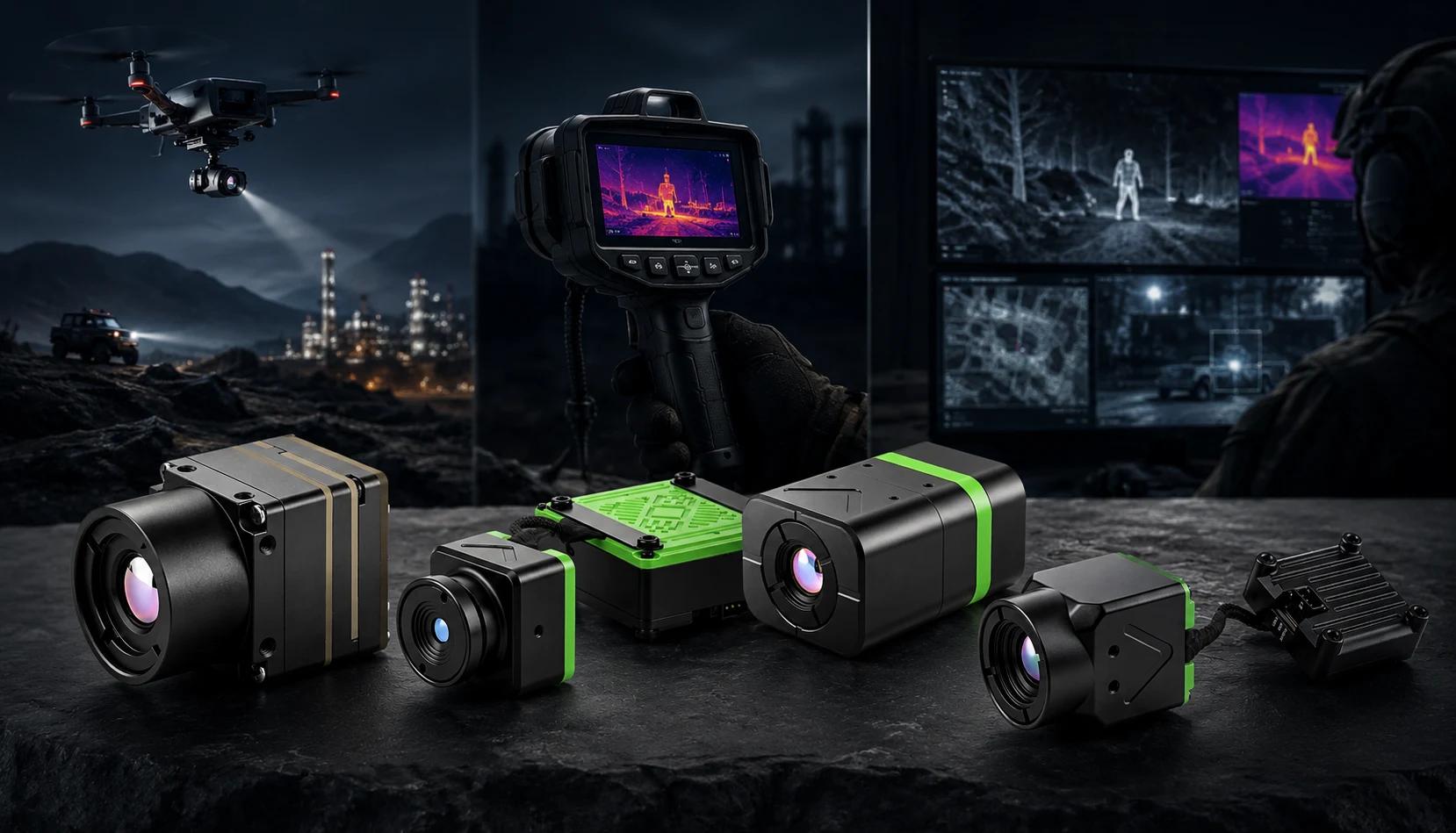
كل مواصفة مُحسّنة للتطبيق العملي، بدءًا من المعايير الأساسية وصولًا إلى منصة EAGLET المرجعية الكاملة.
مواصفات مختارة من مختلف فئات المنتجات. يُرجى التأكد من الطراز الدقيق للحصول على القيم النهائية.
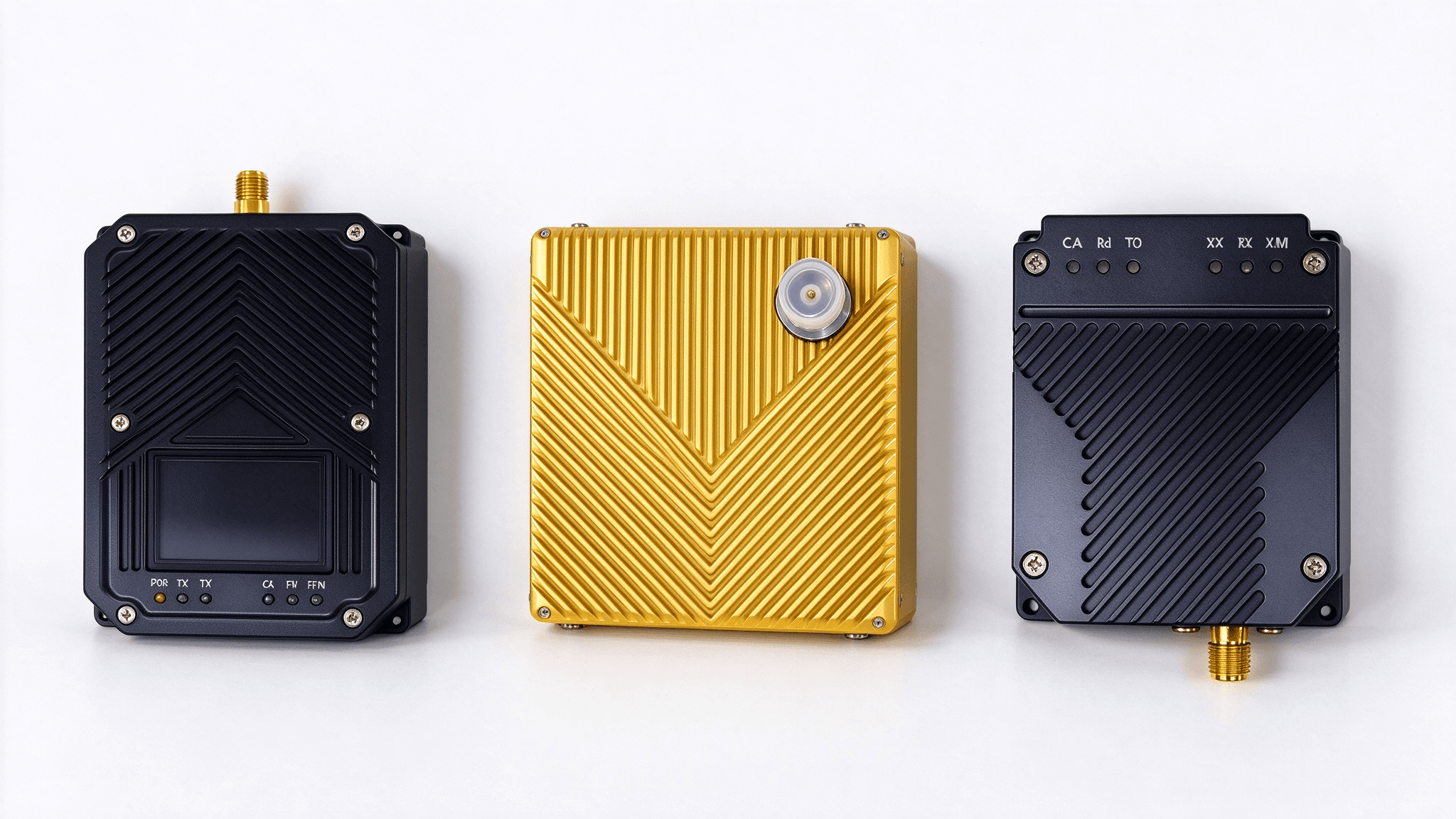
Product Overview: FQ1620D Rugged Network Node Industrial telemetry, autonomous robotics, and field operations often operate in volatile environments where traditional cellular base stations and centralized access points are absent. The FQ1620D addresses this operational bottleneck by functioning as a robust, decentralized hardware node engineered for dynamic data exchange. Built to maintain continuous link availability without reliance on fixed master stations, the device combines a compact chassis with versatile connectivity to resolve telemetry dropouts across remote ground, aerial, and industrial systems. Designed around the requirements of a dynamic Swarm Ad-Hoc Network, the unit allows multiple mobile assets to interlink spontaneously. Through native Center-less Networking architecture, every node operates with equal autonomy, eliminating single-point failure risks during collaborative mobile tasks. Supported by an integrated 16-hop Relay capability and Full-duplex Communication, the hardware maintains low-latency, bidirectional serial data streaming across complex, distributed equipment deployments. Hardware Interface and Structural Layout The unit features a low-profile, ruggedized rectangular profile designed for equipment integration where interior payload volume is constrained. External mechanical and electrical features identified on the enclosure include: Power Input: Labeled for DC 5–28V operation, accommodating standard industrial battery packs, vehicle power buses, and regulated plant power rails. Serial Communication Port: A dedicated multi-pin interface labeled SERIAL PORT provides direct integration with PLCs, industrial controllers, sensors, and vehicle autopilots. Antenna and RF Termination: A dedicated coaxial-style RF connection accommodates external antenna routing, allowing system integrators to configure external antennas suited to their operational spectrum. Status Monitoring LEDs: Distinct onboard indicators display system health and active telemetry states, including markings for PWR (power), TX (transmit), RX (receive), CA (carrier activity), and operational status indicators such as MD. Chassis Retention: Four-point perimeter mounting ears featuring pre-drilled through-holes support mechanical fasting inside equipment bays or directly onto vehicular bulkheads. Network Topology and Operational Capabilities Unlike conventional star-topology radios, the communication logic inside the FQ1620D supports independent routing across dynamic topologies. Within a Swarm Ad-Hoc Network, individual nodes automatically discover adjacent units to maintain local group awareness, even as individual assets move rapidly in and out of operational range. The inherent Center-less Networking protocol prevents link disruption if a primary station disconnects or becomes obstructed. By distributing network overhead across all active nodes, data packets dynamically route around non-line-of-sight obstructions. With support for up to a 16-hop Relay chain, data packets can traverse extended distances through intermediate relay units, enabling continuous multi-point telemetry backhaul from deep subterranean, urban, or maritime environments where direct line-of-sight links cannot be maintained. Simultaneously, Full-duplex Communication allows concurrent uplink control commands and downlink telemetry data, preventing packet collisions and serial buffer backlogs during critical maneuvers. Enclosure Design and Thermal Management System stability in high-duty RF equipment relies directly on consistent passive cooling. The housing of the FQ1620D is fabricated from metal—typically an aluminum alloy selected for high thermal conductivity and mass reduction. External surfaces feature a prominent heat-sink design with dense, longitudinal cooling channels or directional chevron ribs. This ribbed geometry increases total surface area, transferring internal thermal loads away from processing chips and power management modules through natural convection. Protective surface finishes, such as durable anodization or industrial coatings in black or metallic tan, provide wear resistance against abrasives and contact handling. Specific ingress protection (IP) ratings and operating temperature limits are dependent on the final assembly seal configuration and should be validated against specific deployment parameters. Manufacturing, Testing, and Assembly Quality The production process for high-reliability data transceivers involves precise hardware integration and surface-mount electronics assembly: Chassis Machining and Casting: Enclosures are typically formed via precision die casting or CNC milling, creating uniform mating surfaces that optimize heat transfer and dimensional repeatability. Electronic Assembly: Surface-mount technology (SMT) handles high-density circuit routing, integrating interface isolation components, DC-DC step-down converters, and RF transceiver blocks onto multi-layer printed circuit boards. Quality Verification: Quality control protocols generally include visual optical inspection (AOI), multi-stage voltage tolerance sweeps across the 5–28V range, and signal continuity checks on serial channels to verify robust field reliability. Target Applications and Integration Scenarios The physical layout and networking characteristics of the FQ1620D make it well suited to diverse non-fixed network applications: Unmanned Aerial and Ground Swarms: Coordinating multi-agent drone fleets and unmanned ground vehicles (UGVs) requiring continuous telemetry and shared spatial data. Industrial Telemetry and Scada Backhaul: Linking remote serial sensors, flow meters, or distributed robotic arms back to human-machine interfaces without laying structural cable. Emergency and Field Operations: Establishing rapidly deployable, ad-hoc communication lines across search-and-rescue teams, disaster recovery units, and perimeter surveillance stations. Mobile Equipment Fleet Coordination: Vehicle-to-vehicle tracking in mining, agriculture, or logistics yards where fixed access point coverage is spotty. Technical Procurement and Sourcing Considerations When specifying communication modules for larger assemblies, engineering teams must evaluate several system integration factors. Power budgets should account for transient spikes during transmission phases within the broad DC 5–28V operational window. Physical mounting configurations must account for airflow across the external heat-sink fins, ensuring passive cooling performance matches ambient bay conditions. System designers are encouraged to consult our engineering support team regarding interface wiring pinouts, serial baud-rate compatibility, external antenna specifications, and custom housing requirements. Contact our technical sales division to request detailed dimension drawings, pinout documentation, or evaluation units tailored to your project requirements.
عرض المنتج →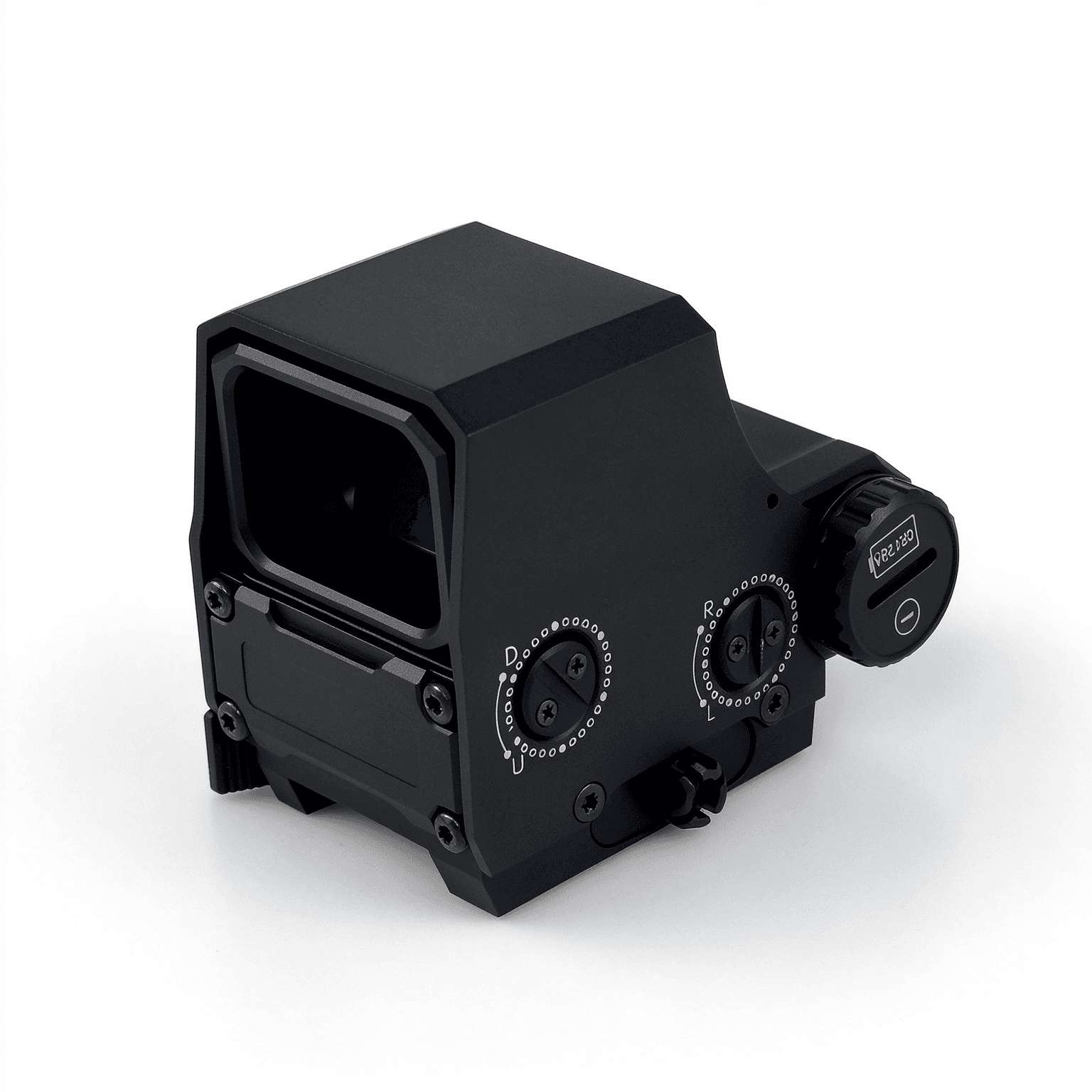
Engineered Rapid-Acquisition Holographic Sight Platform In high-tempo tactical drills and dynamic shooting sports, operators frequently struggle with restricted sight pictures, parallax displacement, and slow target indexing caused by traditional tubular optics. A purpose-built Holographic Sight resolves these operational bottlenecks by utilizing an expansive rectangular viewing aperture that enables true both-eyes-open shooting, maximizing peripheral awareness and accelerating transition speeds between multiple targets. For defense suppliers, tactical equipment distributors, and OEM private-label brands, selecting an optical platform with rigid structural protection and repeatable mechanical tracking is essential for mission dependability. Product Overview and External Architecture The unit features an enclosed reflex-style geometry enclosed within an angular, faceted housing. Designed around a low-profile footprint, it incorporates a raised protective outer hood engineered to shield the primary optical window from direct lateral impacts, environmental debris, and heavy field use. The non-magnifying 1X Holographic Sight layout provides zero image distortion across the viewing plane, allowing the shooter to maintain natural depth perception during close- to medium-range engagements. Visible production variants, including units marked with the H2S Holographic Sight designation, incorporate an integrated low-profile clamping base with a robust locking mechanism. This structural configuration delivers a solid mechanical purchase on firearm receiver interfaces, eliminating unintended movement under sustained recoil impulses. Key Technical Features and Interface Components The sight integrates intuitive controls designed for fast tactile manipulation in low-light environments or while wearing tactical gloves: Optical Objective Window: Large rectangular front lens treated with multi-layer anti-reflective coatings, exhibiting a distinct blue-to-purple hue to suppress glint, optimize light transmission, and sharpen reticle contrast. Elevation and Windage Turrets: Side-mounted adjustment mechanisms clearly engraved with directional markers ("U" for elevation and "R" for windage) to guide precise zeroing adjustments. Illumination Controls: Depending on configuration, the optic features a prominent knurled rotary dial on the housing exterior—often functioning as the battery cap and power switch—or low-profile sealed push-buttons marked for brightness graduation and system toggling. Mounting System: Factory configured to serve as a reliable Picatinny Rail Sight, featuring a recessed cross-bolt or quick-detach lever system engineered to secure firmly into standard accessory mounting slots. Chassis Materials and Protective Finishes Visual analysis indicates a rigid construction typical of precision-machined structural metals, such as high-tensile aluminum alloy, though heavy-duty composite polymer sub-assemblies can also be implemented depending on final procurement specifications. The external surface is treated with an anti-glare, fine-textured matte black coating. For military and law enforcement supply chains requiring resilience against abrasive handling and coastal salt spray, surface treatments can be standardized as hard-anodized coatings compliant with MIL-A-8625 Type III designations. Manufacturing Workflow and Sealing Standards Optoelectronic manufacturing involves multi-axis CNC machining of the internal optical cradle and outer protective frame, followed by ultra-sonic cleaning, surface conversion, and optical bonding. The internal optical elements are set within mechanical dampening cells to withstand mechanical recoil shock. For operations conducted in adverse climates, housing cavities require internal sealing rings and nitrogen or argon purging to prevent internal fogging during sudden thermal shifts. When integrated with high-compression O-ring seals, the architecture can be engineered to fulfill IP68 Tactical Sight criteria, shielding internal electronic drivers and emitters against total dust ingress and continuous underwater immersion. Field Applications and Deployment Scenarios This compact optical platform serves various commercial and institutional operational roles: Tactical Law Enforcement and Military Training: Facilitates dynamic room clearance and close-quarters battle (CQB) where rapid sight alignment is decisive. Competitive Action Shooting: Delivers unrestricted target transitions in 3-Gun and IPSC rifle divisions where wide viewing apertures prevent target occlusion. Commercial and Sporting Platforms: Provides recreational shooters and hunters with a durable, non-magnified aiming solution suitable for modern sporting rifles and carbine setups. OEM Quality Assurance and Environmental Testing Sustained reliability requires stringent optoelectronic and mechanical validation before batch dispatch: Recoil Shock Profiling: Multi-axis shock testing simulating high-G impulse shocks to ensure turret detent retention and absolute zero stability. Submersion and Leak Detection: Pressure-vessel immersion testing to confirm that the IP68 Tactical Sight specifications prevent moisture penetration across turret threads and battery seals. Optical Collimation and Parallax Inspection: Laser-guided alignment verification ensuring reticle positioning consistency across the entire width of the optical aperture. B2B Customization and Sourcing Parameters To support brand differentiation and tender requirements, our manufacturing partners can configure custom production parameters for the 1X Holographic Sight platform: Reticle Customization: Custom-tailored reticle reticles, including dot-and-ring ballistic configurations or fine precision dots suited to varied mission profiles. Mounting Architecture: Direct cross-bolt clamp designs or quick-release lever options adapted for precise Picatinny Rail Sight rail interfaces. Branding and Surface Treatments: Custom laser-etched nomenclature, individual serial numbering, and alternative protective colors such as Flat Dark Earth (FDE) or Olive Drab (OD) Green. Model Identifiers: Specific model line labeling, including housing markings aligned with the H2S Holographic Sight specification series. Procurement Consultation and RFQ Wholesale distributors, institutional procurers, and defense brand owners can request comprehensive optical schematics, compliance documentation, and evaluation prototypes. Contact our engineering team to finalize technical datasheets, discuss batch minimum order quantities, and schedule factory-direct sample assessments.
عرض المنتج →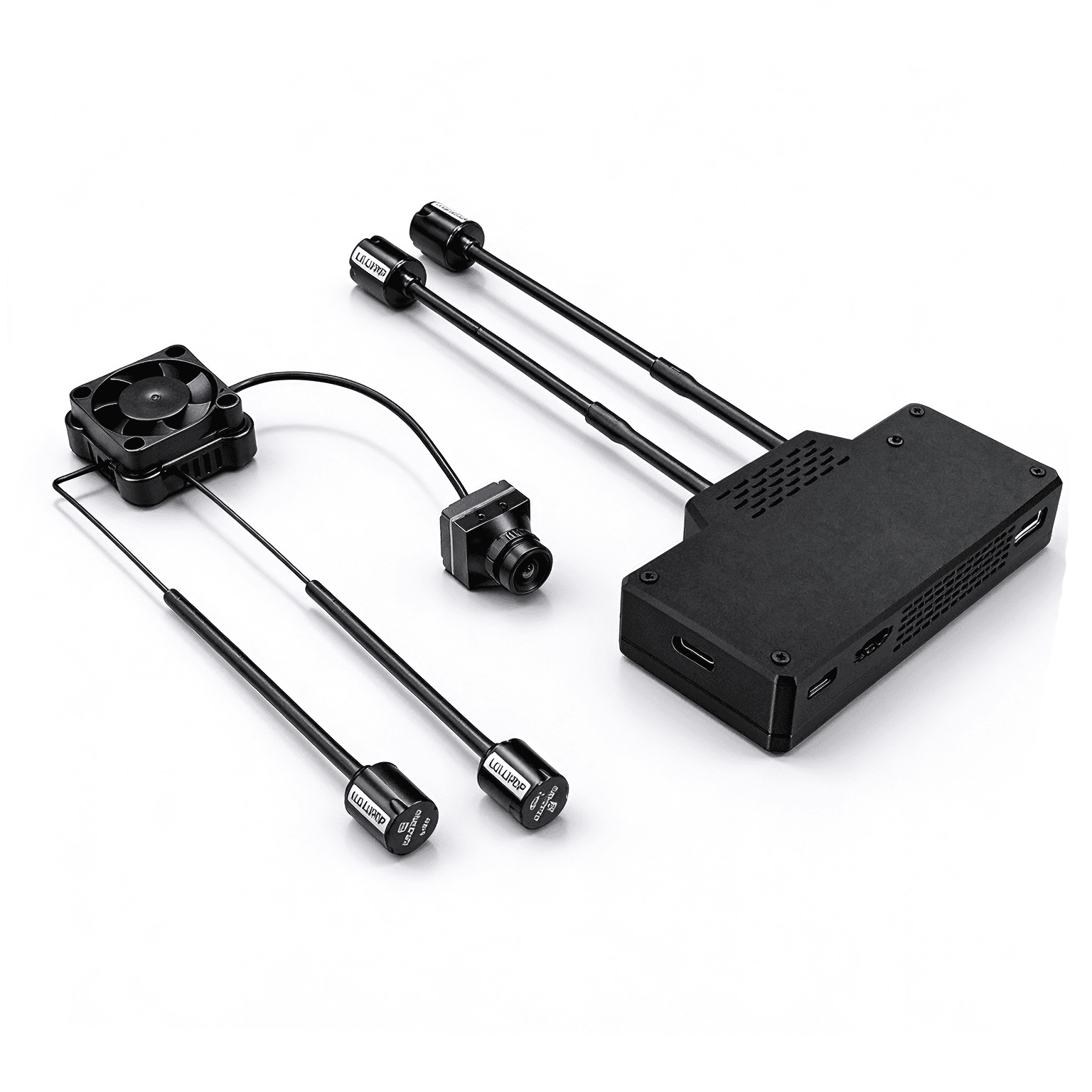
Overview of Long-Range Video Link Systems Integrating a reliable Long Range Digital FPV Video Transmission System addresses critical operational hurdles faced by drone builders and robotics integrators, specifically video feed degradation, control signal dropouts, and thermal throttling during sustained flights. Field operations require dependable real-time visual situational awareness over extended operating perimeters. By decoupling the camera module, processing transmitter, active cooling hardware, and antenna assembly into an interconnected system architecture, engineers obtain the flexibility needed to install robust digital links across diverse industrial airframes and remote robotic chassis.Industrial drone platforms increasingly demand high-throughput data streams capable of handling varied camera payloads. Whether deployed as a dedicated 1080P 60fps Low Latency FPV VTX package for fast-moving platforms or adapted as a specialized UAV Thermal Imaging FPV Link for infrastructure monitoring, modular hardware allows engineering teams to tailor connectivity without redesigning the entire internal layout of the airframe. Hardware Architecture and Modular Configuration The system assembly centers on a ruggedized central transceiver unit accompanied by discrete operational modules designed for distributed physical installation across an airframe: Processing and Transceiver Housing The primary transceiver features a compact, rectangular enclosure with top-access service fasteners. The body integrates dedicated ventilation channels across the top and side profiles to assist heat dissipation during continuous high-data throughput. Multi-port connectivity along the external edges accommodates high-definition video feeds, digital signal interfaces, and system power inputs. Optics and Sensor Interface The independent camera assembly utilizes a compact rectangular body equipped with a threaded-barrel lens mount. Because the optical module is physically isolated from the primary transceiver, it can be mounted directly onto vibration-isolated gimbals or nose mounts while routing ribbon or coax cables back to the central unit. This architecture supports configurations such as a Dual Light Drone VTX Receiver Kit, where operators balance primary piloting views alongside thermal or secondary visual inspection feeds. Active Thermal Management Module High-output digital radio frequency transmitters generate concentrated thermal loads within enclosed UAV hulls. To counteract heat build-up without requiring excessive external airflow, this platform incorporates an auxiliary square axial fan assembly mounted within a protective shroud. Connected via dedicated lead wires, the fan delivers targeted positive air movement directly across the chassis ventilation slots. Antenna Array The transceiver is equipped with multiple external cylindrical antennas connected through coaxial lead lines. Utilizing external antenna leads rather than fixed internal patch antennas allows structural engineers to position RF radiators away from carbon fiber frame elements, battery packs, and high-current motor ESC lines, mitigating RF shadowing and interference. Material Specifications and Enclosure Fabrication The central transceiver and camera housings feature a protective black matte finish, mitigating external reflection while promoting even thermal emissivity. Enclosure components demonstrate the structural characteristics of precision-machined aluminum or reinforced engineering polymers, assembled with mechanical fasteners that facilitate service access and board-level inspection. Recessed port openings and chassis ventilation slots protect internal printed circuit assemblies against physical side impacts while preserving passive cross-flow ventilation.Coaxial antenna leads are reinforced with strain-relief sleeves at the connector joints, ensuring resilience against mechanical vibration and aerodynamic flutter encountered during continuous high-speed transit. System Integration Across Commercial UAV Applications Industrial payloads benefit directly from modular transceiver deployments. Key operating sectors include: Critical Infrastructure Inspection Power transmission corridors, bridge substructures, and industrial processing plants require operators to navigate close to structural obstacles while keeping ground stations positioned at safe clearance distances. The implementation of the LET401U Digital Video Transceiver module architecture within an airframe ensures real-time feedback with minimum display stutter, giving pilots the visual precision needed for close-proximity evaluation. Emergency Response and Public Safety Search-and-rescue teams often deploy a UAV Thermal Imaging FPV Link to detect heat signatures in search zones across challenging terrain. Maintaining a stable, digital video stream over long distances ensures remote command stations receive immediate visual verification to coordinate ground teams effectively. Industrial Aerial Survey and Precision Mapping For wide-area topological mapping, payload specialists often choose a Dual Light Drone VTX Receiver Kit configuration. Synchronized digital video channels allow the flight crew to monitor terrain clearance via the forward-facing digital link while secondary mapping payloads record spatial data without cross-channel interference. Manufacturing Quality and Assembly Verification Producing industrial-grade communication modules requires disciplined electronics assembly and quality control workflows: Surface Mount Assembly: Multi-layer transceiver boards undergo surface-mount placement with automated optical inspection to verify solder joint integrity across compact digital processing chips and RF power amplifiers. RF Bench Calibration: Each Long Range Digital FPV Video Transmission System must undergo spectrum analyzer validation to evaluate signal purity, harmonic suppression, and port output stability across its designated operating frequency bands. Thermal Stress Cycling: Assembled transceivers and active fan modules undergo burn-in cycles in temperature-controlled chambers to ensure stable frame rates and verify that thermal throttling thresholds perform correctly under sustained operation. Connector and Retention Testing: External interface receptacles, including HDMI-style digital ports and RF coaxial terminals, are evaluated for mechanical mating force and retention security against continuous airborne vibration. Technical Procurement and System Evaluation Factors System engineers evaluating transmission hardware for commercial airframes should review several architectural criteria: Mounting Space and Center of Gravity The total package footprint—including the transceiver block, fan unit, camera, and antenna lines—must fit within the designated payload bay without disrupting the airframe center of gravity. Confirm whether passive airflow inside your airframe is sufficient or if the auxiliary fan assembly must be permanently engaged. Power Budget and Voltage Regulation Digital transceivers and active cooling fans represent consistent power draws. Integrators should confirm whether the transceiver operates directly from raw flight pack voltages or requires dedicated step-down, filtered DC-DC regulator rails to prevent electrical noise induced by brushless drive motors from entering the video link. Input Protocols and Payload Matching Confirm compatibility between the camera feed and transceiver input interfaces. Projects standardizing on a 1080P 60fps Low Latency FPV VTX profile require matched camera sensors and low-latency display receivers to minimize end-to-end glass-to-glass latency. For specialized system integrations, verifying hardware compatibility with modules like the LET401U Digital Video Transceiver ensures consistent telemetry and control integration. Engineering Inquiries and Integration Support Our technical team assists UAV manufacturers, payload developers, and robotics integrators in selecting and integrating transmission assemblies tailored to specific airframe geometries and signal requirements. Contact our engineering department to discuss pinout configurations, antenna placement strategies, and sample units for airframe integration testing.
عرض المنتج →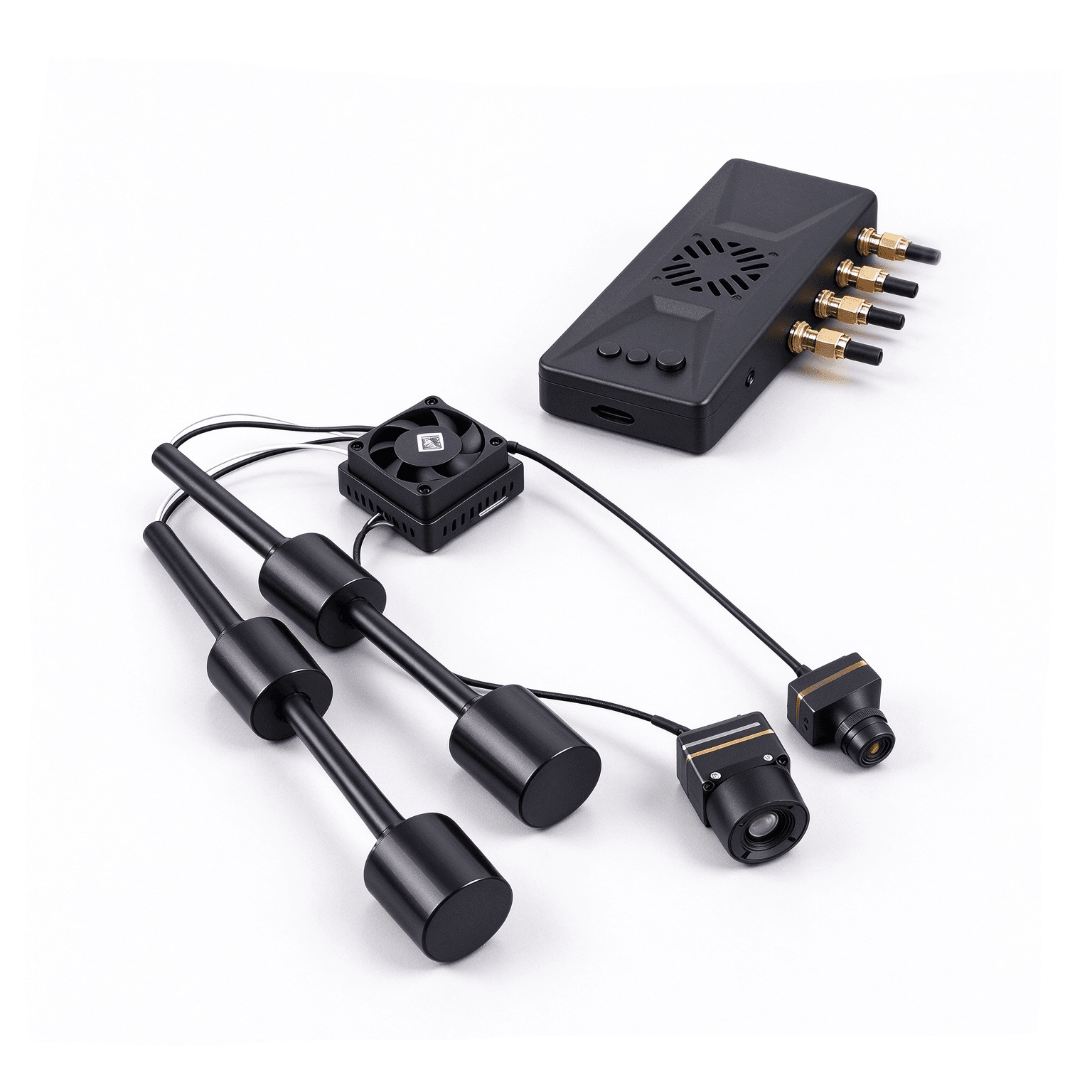
System Architecture and Operational Overview Modern unmanned aerial platforms and remote inspection vehicles require unified telemetry and visual feedback without the payload penalty of multiple discrete transmitters. The EAGLET LE1403M Dual Spectrum Drone Video Link addresses this integration bottleneck by centralizing multi-channel video ingestion, signal routing, and active thermal regulation into a synchronized hardware platform. Designed to eliminate the weight, electrical interference, and packaging clutter of running separate transmitter modules, this dual-light digital transmission system connects optical payloads directly to centralized encoding and RF processing electronics.Industrial drone integrators frequently confront strict Size, Weight, and Power (SWaP) constraints when deploying multi-sensor payloads for infrastructure monitoring or field observation. The LE1403M hardware package supports this operational requirement through a modular topology, combining a central processor enclosure, paired optical camera modules, multi-channel coaxial cabling, and targeted cooling components. Visible Hardware Layout and Component Breakdown Central Processing Unit and Physical Interfaces The primary electronics unit is housed in a compact, matte-black rectangular enclosure featuring a sloped upper surface engineered for directional airflow. Located along the primary connection panel are four gold-plated, threaded coaxial-style RF connectors designed for secure signal feed lines or antenna attachments. A dedicated USB-C interface is integrated on the perimeter for firmware management or local data handling, flanked by three physical push buttons and status indicators for operational toggles. Dual Optical Heads and Sensor Modules The package incorporates two separate compact camera modules encased in cylindrical and rectangular housings with gold accent bands. Each camera assembly includes visible optical glass lenses with fixed mechanical mountings. This layout facilitates deployment in dual-view scenarios, allowing integrators to route two distinct optical perspectives into a singular transmission pipeline. In multi-spectrum configurations such as a Thermal + Visible VTX integration, having isolated optical heads simplifies mechanical gimbal balancing and balance-point positioning on the airframe. Peripheral Elements and Secondary Modules The hardware set includes three elongated black cylindrical rods terminating in wider cylindrical bodies, which function as antenna assemblies, alignment probes, or mounting hardware depending on the end-user deployment configuration. In addition, an independent auxiliary axial cooling fan with dedicated lead wiring complements the enclosure's internal ventilation fan, providing dedicated thermal extraction for high-duty-cycle setups. Thermal Management and Enclosure Construction Sustained digital video encoding and high-frequency wireless transmission generate localized heat within compact enclosures. The LE1403M incorporates active dual-point heat management: an internal blower integrated behind a recessed top grille and a standalone square cooling-fan module with perimeter exhaust slots. This dual cooling configuration prevents thermal throttling during static ground testing or sustained hover profiles where natural prop-wash airflow is minimal.Housings throughout the assembly feature a uniform matte black finish, indicative of precision CNC-machined aluminum or high-density engineered polymers with surface treatment for wear resistance. Threaded metallic connector interfaces provide electromagnetic shielding and reliable mechanical retention under mechanical vibration and flight-induced structural resonance. Target Application Scenarios Deploying a Dual Spectrum Drone Video Link enables multi-feed situational awareness across demanding industrial environments: Powerline and Infrastructure Inspection Dual-sensor optical gimbals require concurrent feeds to cross-reference structural damage and hotspot anomalies. Incorporating a Low Latency Dual Light Data Link ensures ground operators receive coordinated, real-time positional and visual references without managing disparate radio links. Search and Rescue Operations Ground recovery teams operating in wilderness or disaster zones rely on dynamic situational monitoring. The system’s dual-channel camera layout supports split-perspective scanning, allowing operators to oversee broad navigational terrain while running focused optical inspection routines. Robotic Surveillance and Tactical Platforms Beyond aerial platforms, unmanned ground vehicles (UGVs) and portable ground monitoring stations utilize the modular camera heads and robust threaded RF connectors to maintain multi-angle visual surveillance through confined or obstacle-dense operational environments. Integration and Procurement Decision Factors Payload Weight and Center of Gravity Planning System designers must evaluate the combined mass of the central module, optical cables, coaxial runs, and auxiliary cooling fans. Because the optical heads are physically separated from the main processing unit, gimbal designers can optimize payload distribution and minimize motor torque requirements across rotational axes. Wiring Harness Routing and RF Isolation With four distinct RF-style coaxial connections and multiple digital video feeds, cable isolation is critical. High-frequency transmission paths must be routed away from GPS receivers, flight controller compass units, and power distribution boards to prevent near-field RF saturation. Incorporating the system as a Long Range FPV Transceiver setup requires clean impedance matching along all four signal channels. Telemetry and Protocol Coordination OEM integrators should verify physical link requirements, video output protocols, and voltage distribution specs against carrier-board schematics before final integration. For operations focused on UAV Thermal Imaging Transmission, validating connector pinouts and camera-to-transmitter communication standards is essential to maintain feed synchronization. Technical Inquiries and Custom Integration Contact our integration engineering department to review interface drawings, bracket mounting patterns, harness lengths, and system power requirements for the EAGLET LE1403M. We provide application-specific engineering support for commercial UAV programs, robotic vehicle builders, and industrial inspection system integrators requiring validated multi-channel imaging assemblies.
عرض المنتج →ندعم عملاءنا بدءًا من اختيار وحدة التصوير الحراري وتكامل الأجهزة وصولًا إلى أنظمة الرؤية بالأشعة تحت الحمراء المُخصصة.

لسنا مجرد مورد للمكونات. يدعم فريقنا الهندسي عملاءنا بدءًا من اختيار الدقة والبصريات وصولًا إلى تخصيص النظام بالكامل وتصنيعه.





استشعار دقيق. رؤية ذكية. نتائج عملية.
بخبرة سنوات طويلة في مجال التصوير الحراري بالأشعة تحت الحمراء، نقوم بتطوير رقائق التصوير وتقنيات الاستشعار المتكاملة بشكل مستقل لتلبية متطلبات التطبيقات الصعبة.
يربط عملنا بين الاستشعار ومعالجة الصور ونقلها وتكاملها والتحقق من صحة التطبيقات.
تطوير تقنية التصوير الحراري وابتكار حلول رؤية أكثر أمانًا وذكاءً.
أن نصبح شريكًا عالميًا موثوقًا في مجال تقنية التصوير الحراري.

أخبرنا عن تطبيقك، والدقة المطلوبة، ونطاق الكشف، أو احتياجات التكامل. سيساعدك فريقنا الهندسي في تحديد الحل الأمثل.