
Why an infrared camera module supplier matters more than the brochure suggests
Choosing an infrared camera module supplier is rarely just a line-item purchase. For most engineering teams, the real question is whether the module can be integrated cleanly into a product that already has its own mechanical, electrical, and thermal constraints. A compact thermal core can look straightforward in a catalog, but once it sits inside a drone payload, inspection head, fixed surveillance unit, or robotic platform, small differences in housing, power behavior, interface discipline, and optical packaging start to matter quickly.
That is why buyers usually need more than a simple comparison of resolution numbers. They need a supplier who understands embedded thermal imaging, not just a vendor moving parts. If the module is going into industrial inspection, temperature monitoring, search and rescue, or security systems, the decision is less about “Does it work?” and more about “Will it integrate without consuming months of engineering time?”
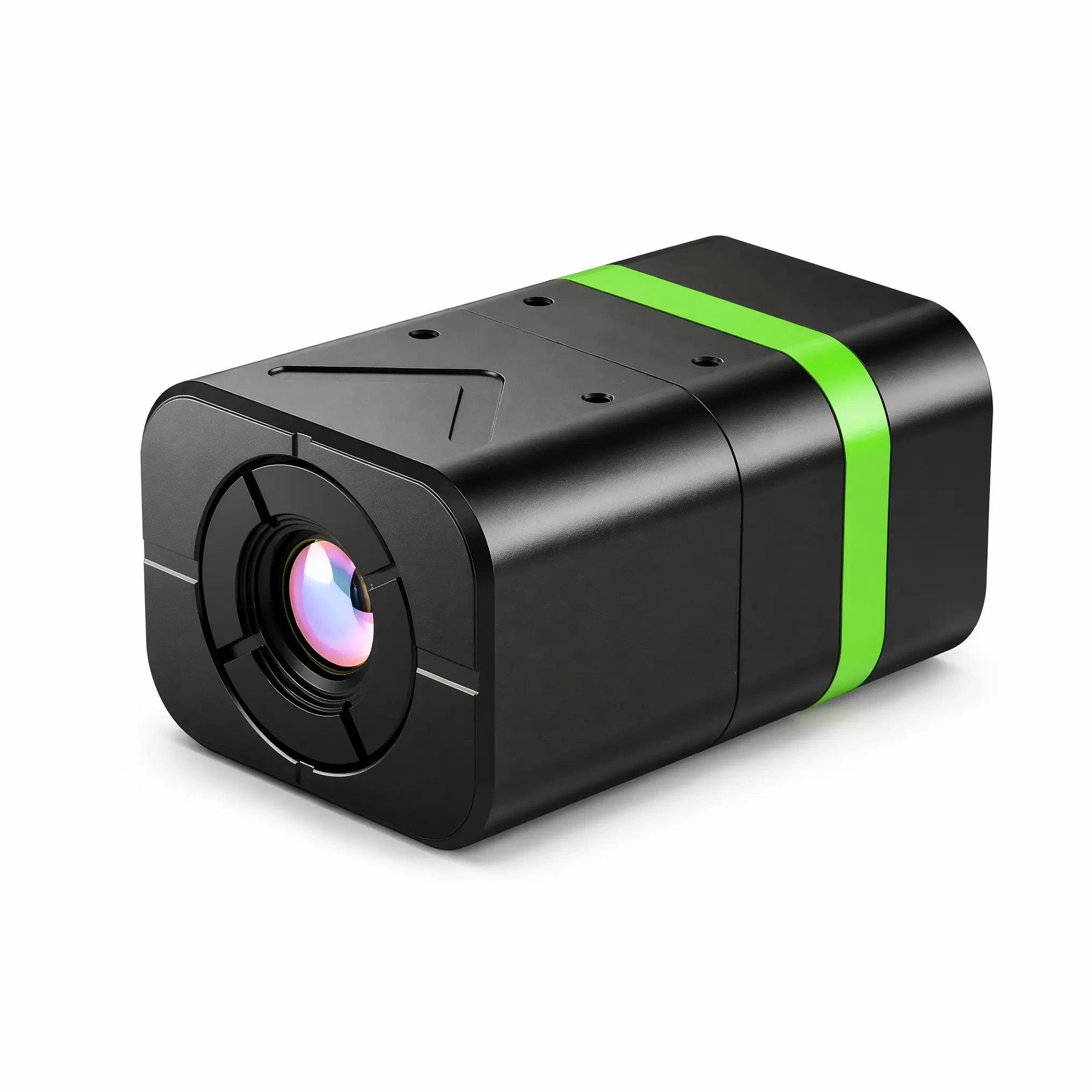
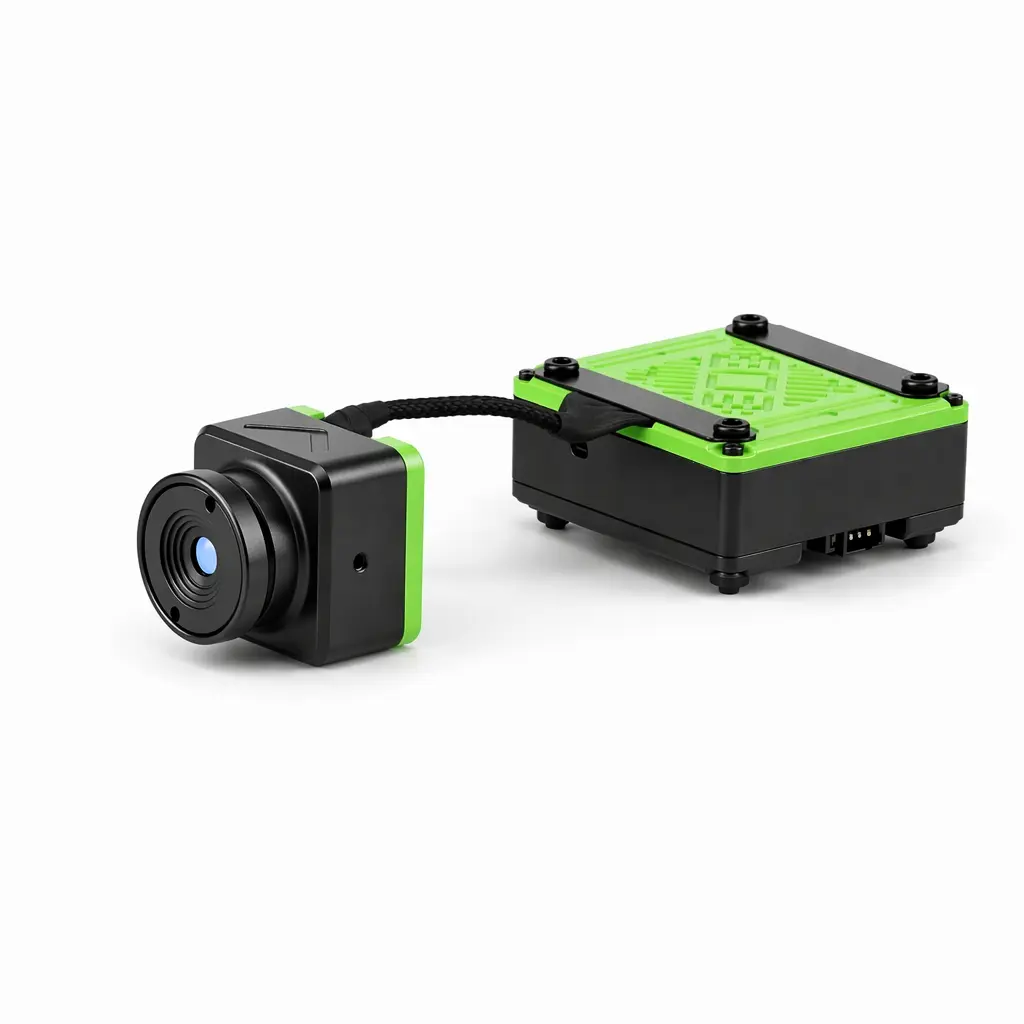
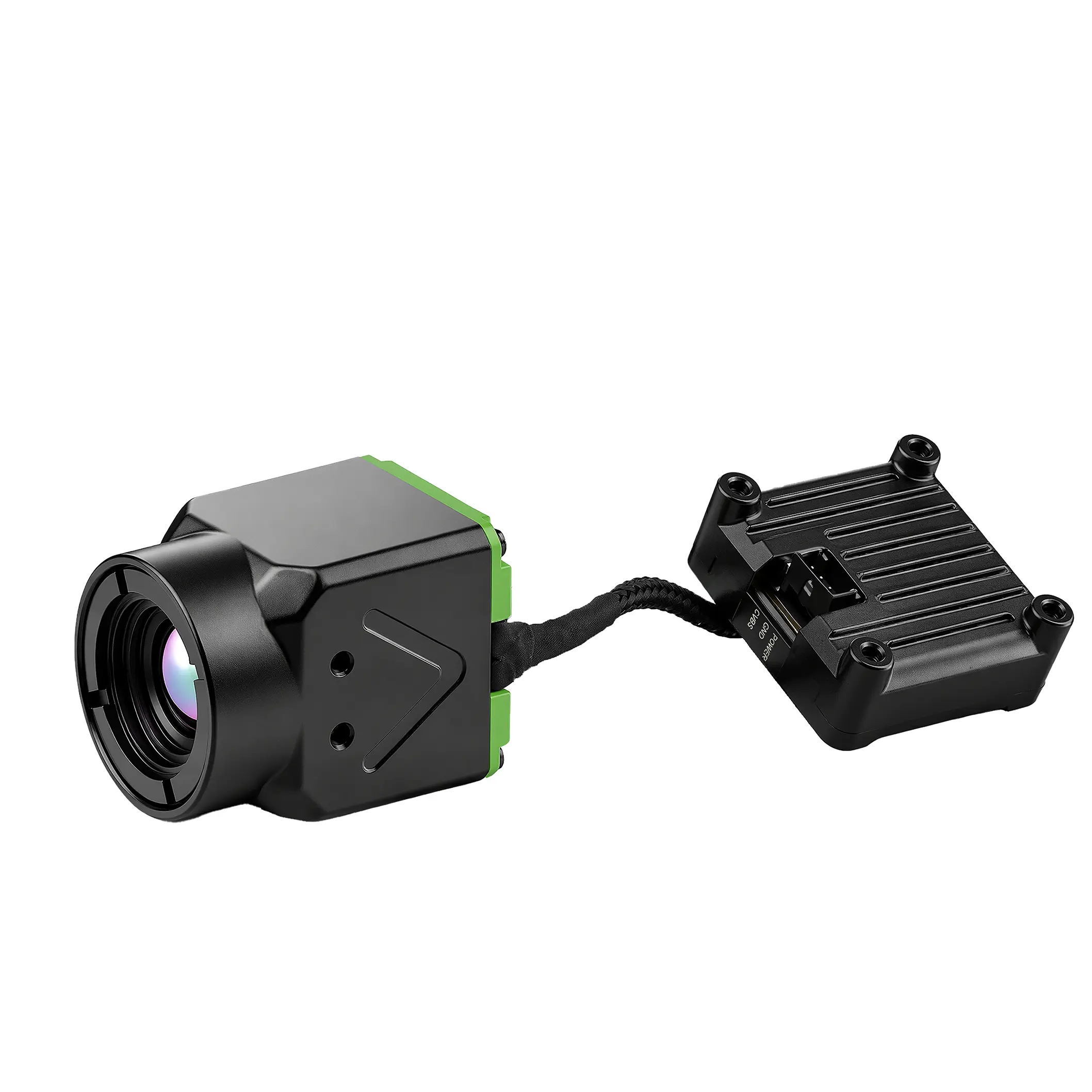
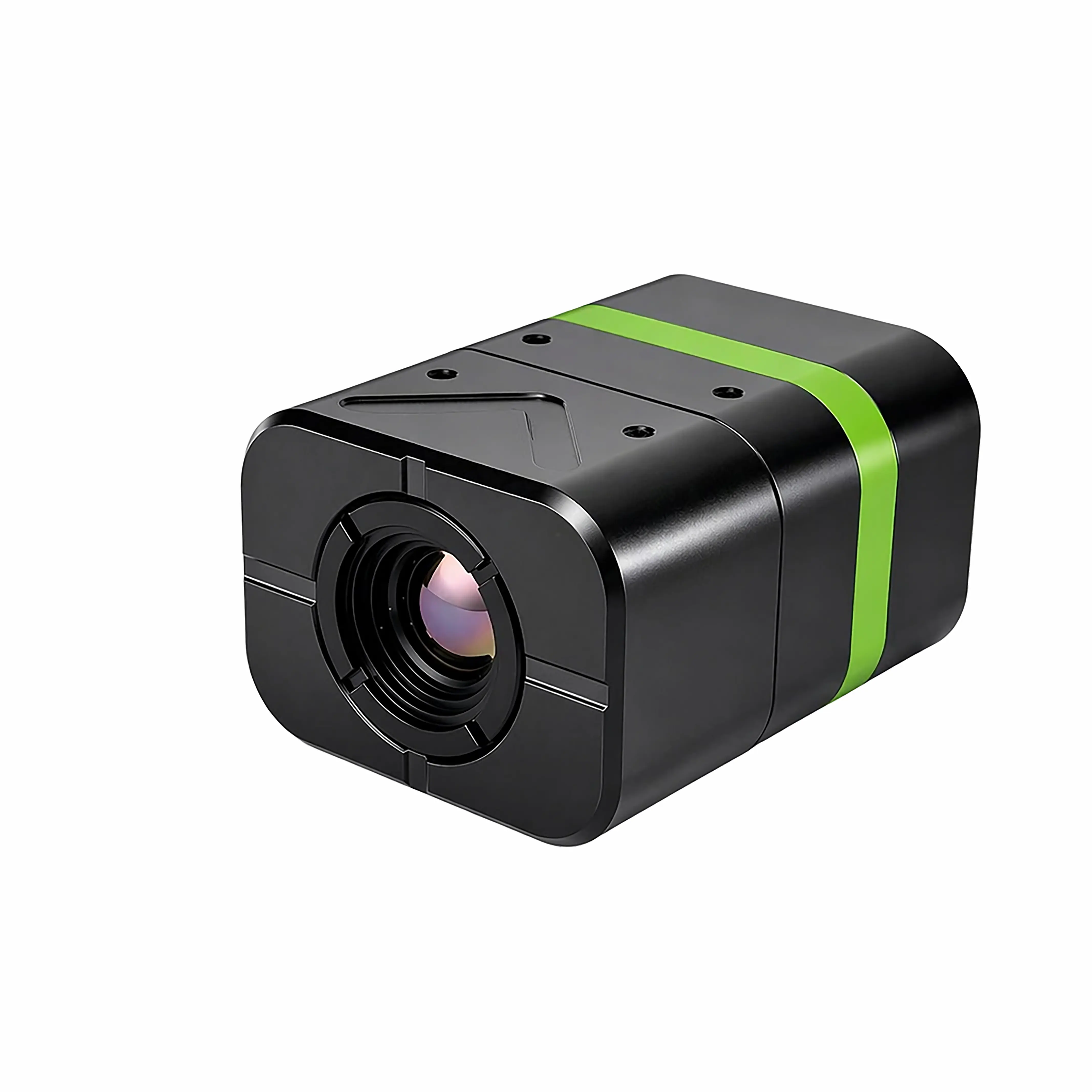
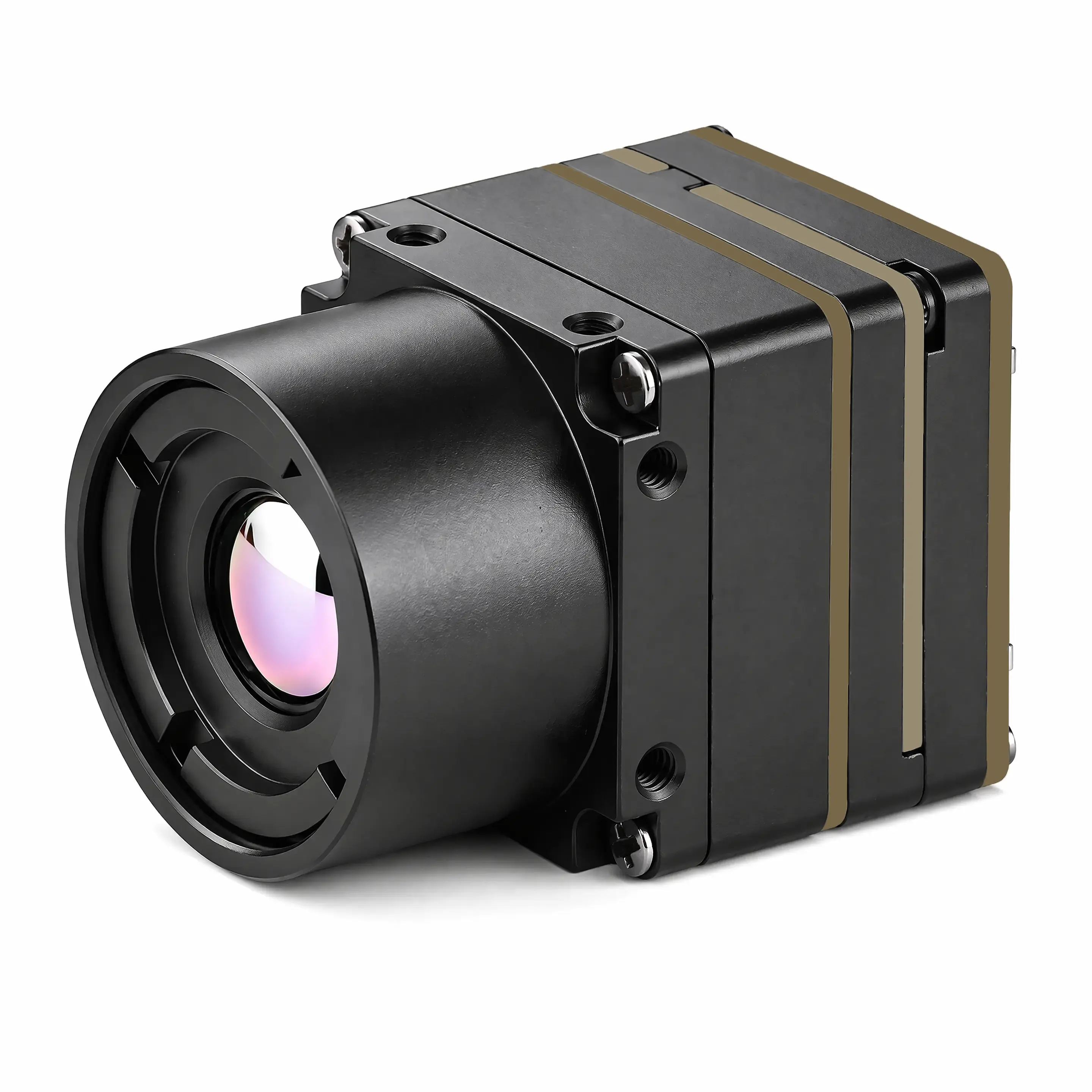
The product profile you provided points to a compact infrared thermal imaging core with a rectangular enclosure, a front lens barrel, visible fastening points, and a form factor that looks meant for integration rather than handheld use. That is the kind of construction buyers often want when the thermal function is one subsystem inside a broader machine.
What buyers usually need from this type of module
A thermal imaging module is expected to do several things at once. It must preserve optical alignment, survive assembly into a host device, and keep the electronics stable enough that the image output remains useful under real operating conditions. On paper, the module may be described by its resolution or infrared wavelength range. In practice, engineers care just as much about package size, mounting method, heat management, and whether the supplier can support a customized thermal imaging solution when the standard unit is close but not quite right.
The notes supplied here indicate that EAGLET offers thermal imaging platforms in 256×192, 384×288, and 640×512 resolutions, with long-wave infrared operation in the 8–14 μm band and an emphasis on compact size and low power consumption. Those are useful supplier-level indicators, especially for embedded products where board space and battery budget are both tight. They are still not a substitute for a detailed technical data sheet, but they do tell a sourcing manager where to start the conversation.
Quick reference: what to compare before you shortlist a supplier
For teams evaluating an infrared camera module supplier, these are the questions that tend to separate a workable platform from a risky one:
Resolution and image utility: Is the module suitable for the inspection distance, target size, and recognition task you actually have in mind?
Optical package: Does the lens and barrel arrangement fit the host product mechanically, and can it be mounted without awkward brackets or excessive rework?
Integration style: Is the module designed for embedded use, or is it essentially a finished camera stripped down for export into another system?
Power and size constraints: Will it fit inside a small drone, handheld device, or fixed sensor node without forcing a redesign?
Supplier support: Can the vendor help with interface questions, thermal imaging calibration concerns, or a customized thermal imaging solution if the standard module misses one requirement?
Product consistency: Does the supplier show the discipline of a thermal imaging sensor manufacturer, meaning repeatable builds and traceable component choices, rather than one-off assembly behavior?
The structure of a compact infrared thermal imaging core
The module described in your product notes has the visual language of a real embedded electromechanical assembly. The black rigid rectangular housing, the layered side panels, the cylindrical front lens barrel, and the exposed fasteners all suggest a device intended to be bolted into a larger system. That matters because integration-ready construction usually saves engineering teams time, especially when the mechanical team and electrical team are working on the same schedule but not always in perfect sync.
From a manufacturing perspective, this kind of assembly typically combines optics, sensor electronics, and a precision housing. The housing may be machined or die-cast; the exact process cannot be verified from the image, so it is better to treat that as plausible rather than certain. What can be said with confidence is that the form factor is not decorative. It is functional. The enclosure appears built to protect sensitive imaging components while leaving enough external structure for installation in a drone bay, inspection instrument, or stationary housing.
That is also where buyers should be careful. A compact module is not automatically easier to integrate. A small thermal core can still create headaches if connector access is poor, if the mounting points do not align with the host chassis, or if the module generates more heat than expected in a sealed space. Those are the details that turn a promising sample into a delayed launch.
How resolution, wavelength, and size influence the purchasing decision
In thermal imaging, resolution is often the first number people notice, but it should not be the only one. A 256×192 module may be adequate for broad temperature monitoring or short-range applications. A 384×288 unit can offer a better balance between detail and cost. A 640×512 platform is usually considered when the application needs finer scene discrimination, more confidence in target identification, or better performance at a longer stand-off distance. The right answer depends on the task, not the marketing gloss.
The 8–14 μm long-wave infrared band is a familiar choice in industrial and security-related thermal imaging because it fits many ambient-temperature detection scenarios. Again, the band alone does not make the product good or bad. It simply places the module in a category that many engineers already know how to design around.
Compactness and low power consumption matter just as much. A small module can open up new designs in drones, handheld inspection devices, and robotics, where every gram and watt is negotiated. That is one reason buyers often prefer a supplier who can explain not only the module itself, but also how it behaves in a constrained system. The best suppliers are usually the ones who think in terms of application, not just part number.
Where these modules fit best in the field
Industrial inspection is one of the clearest use cases. Thermal modules help identify hot spots, uneven loads, and abnormal operating conditions before they become expensive failures. In electrical cabinets, rotating equipment, and process lines, a compact embedded module can support monitoring systems without requiring a full handheld instrument on every shift.
Security and surveillance teams also value this class of product because thermal imaging can add visibility when lighting is poor or environmental contrast is limited. That does not mean the module replaces visible-light imaging, but it does fill gaps that conventional cameras cannot.
In drones and robotics, size and power draw can make or break the design. An integration-ready infrared module is often preferred over a finished camera because it gives the OEM more control over mounting, data handling, and overall system packaging. Search and rescue applications are similar: the equipment must be portable, fast to deploy, and robust enough to justify its place in the kit.
Common mistakes when sourcing thermal imaging modules
One common mistake is buying on resolution alone. That usually leads to disappointment when the lens, field of view, or interface does not match the real use case. Another mistake is assuming a supplier can provide customization without clarifying what “custom” actually means. Sometimes customization is a minor mechanical change. Sometimes it involves firmware, interface behavior, or system-level adaptation. Those are very different scopes.
It is also easy to overlook integration details. A module may be technically excellent and still be awkward to assemble if the mounting holes are inconvenient or the connector orientation conflicts with the host enclosure. Buyers should ask for mechanical drawings, interface documentation, and enough sample units to test fit before committing to a larger program.
A final caution: do not assume that a supplier-supplied specification sheet tells the whole story. The notes here mention resolutions, wavelength range, compact size, and low power use, but the exact model number, detector type, focal length, field of view, sensitivity, frame rate, operating temperature, weight, and IP rating are not provided. Those are not trivial omissions. They are the details that determine whether a module is suitable for production.
What a practical buyer should ask next
If you are talking to an infrared camera module supplier, a useful first round of questions is fairly direct. Ask for the exact interface options, mechanical drawing, power budget, and supported resolutions. Ask how the module is intended to be mounted and whether the supplier can support a customized thermal imaging solution if your enclosure or optical path is unusual. If the supplier presents itself as a thermal imaging sensor manufacturer, ask how production consistency is controlled across batches and what level of engineering support is available during integration.
You should also ask about the supplier’s recommended application range. A module that works well in general inspection may not be the best choice for a drone, where vibration and weight are serious constraints. Likewise, a security system may demand different performance priorities than an industrial monitoring node. A good supplier will not force every application into the same template.
FAQ for sourcing teams and product engineers
Is a compact thermal imaging core better than a finished handheld camera?
For embedded products, usually yes. A module gives the OEM more control over mechanics, electronics, and software integration. It is often the better fit when thermal imaging is one subsystem rather than the final product.
Does higher resolution always mean better performance?
Not always. Higher resolution can improve scene detail, but the right choice depends on viewing distance, object size, and system budget. Sometimes a mid-range module is the more sensible engineering choice.
Why does low power consumption matter so much?
Because many thermal modules end up in battery-powered or sealed systems. Power use affects runtime, heat load, and enclosure design. It is not a secondary spec.
What should I request before placing a production order?
Request mechanical drawings, electrical interface details, and enough sample units for fit and functional testing. If your program depends on a specific enclosure or software stack, validate that early. It is cheaper to catch an integration issue in the lab than after tooling has started.
Choosing the right supplier partner
The best sourcing decision is not simply finding the lowest quote. It is selecting a partner who understands embedded thermal imaging, gives you honest technical boundaries, and can support the transition from sample to production without surprises. The module described here appears well suited to compact integration, which is exactly where a competent supplier can add value: in the design details, not just the headline specs.
If your program needs an infrared imaging core for industrial inspection, drones, robotics, surveillance, or temperature monitoring, the next step is straightforward: request the full technical package, confirm the mechanical fit, and compare the standard platform against your actual application requirements. If the base unit is close but not perfect, ask whether the supplier can develop a customized thermal imaging solution rather than forcing your design around a compromise.
That approach usually saves time. More importantly, it keeps the sourcing decision anchored to the product you are building, not the catalog image in front of you.