
Choosing an infrared camera module supplier is less about buying a black box and more about reducing integration risk. Engineers and sourcing teams usually start with a simple question: will this thermal module fit the platform, the environment, and the budget without turning into a late-stage redesign? That matters because infrared imaging systems are rarely standalone purchases. They sit inside inspection tools, security payloads, drones, robotic platforms, and monitoring equipment where optics, electronics, housing, software, and mechanical constraints all have to line up.
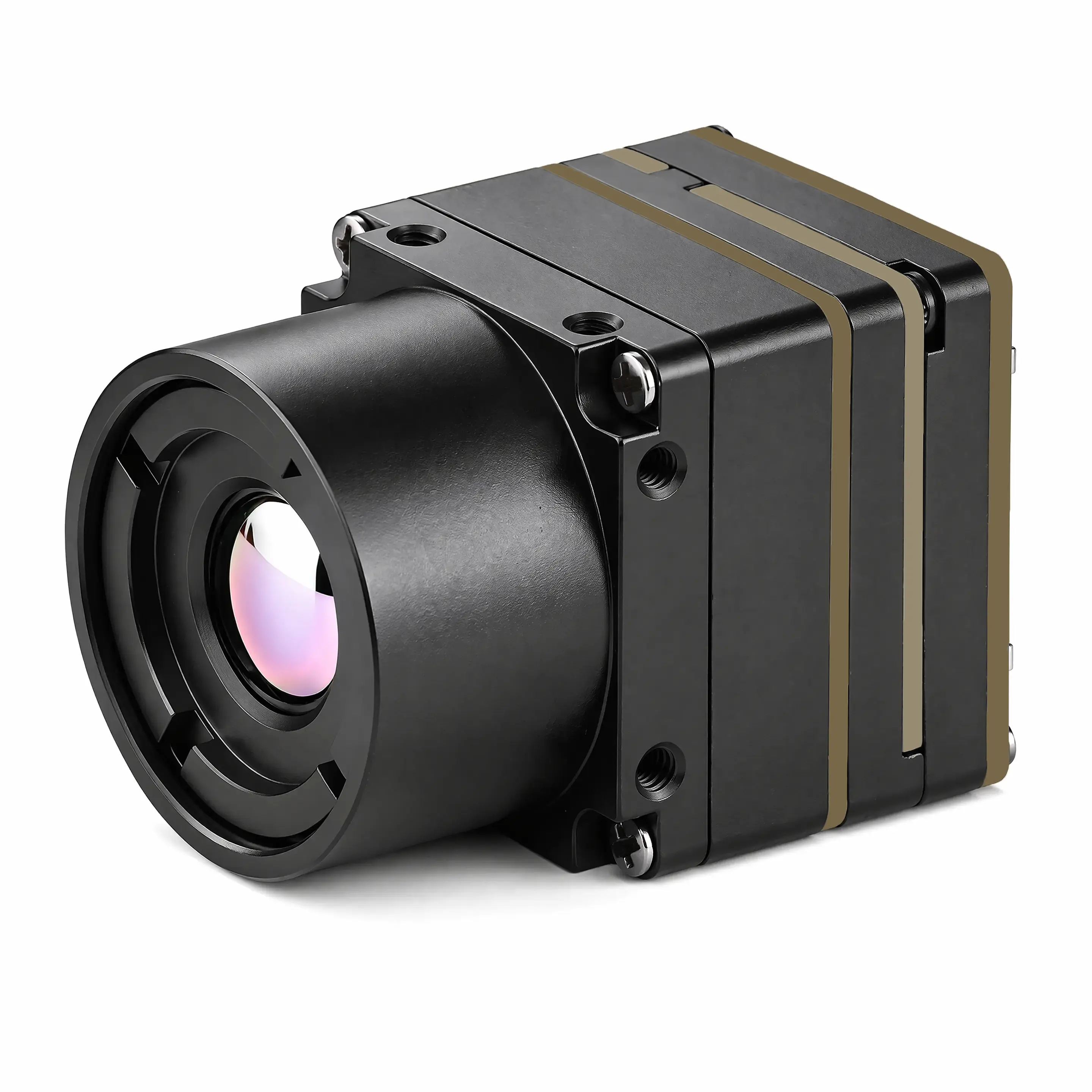
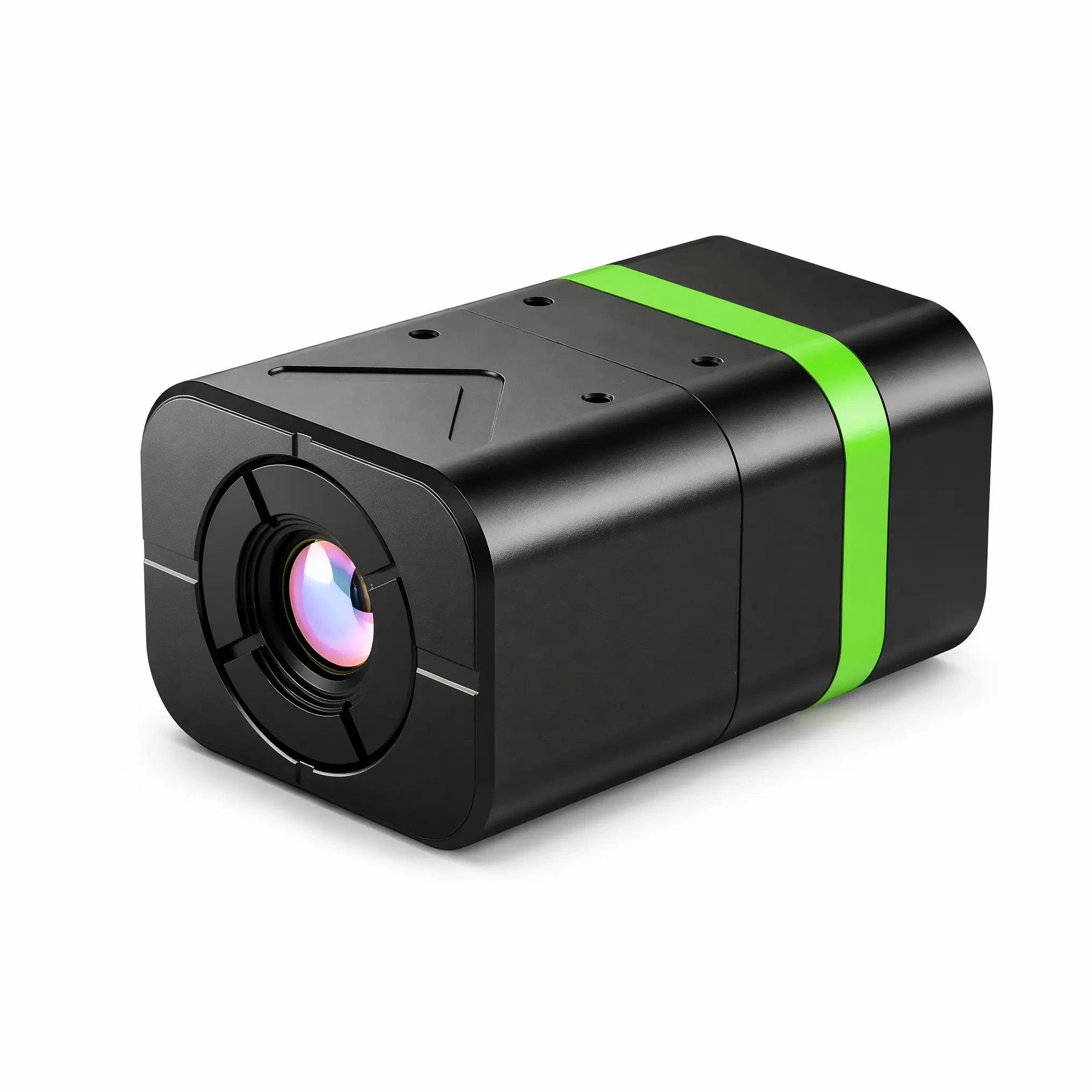
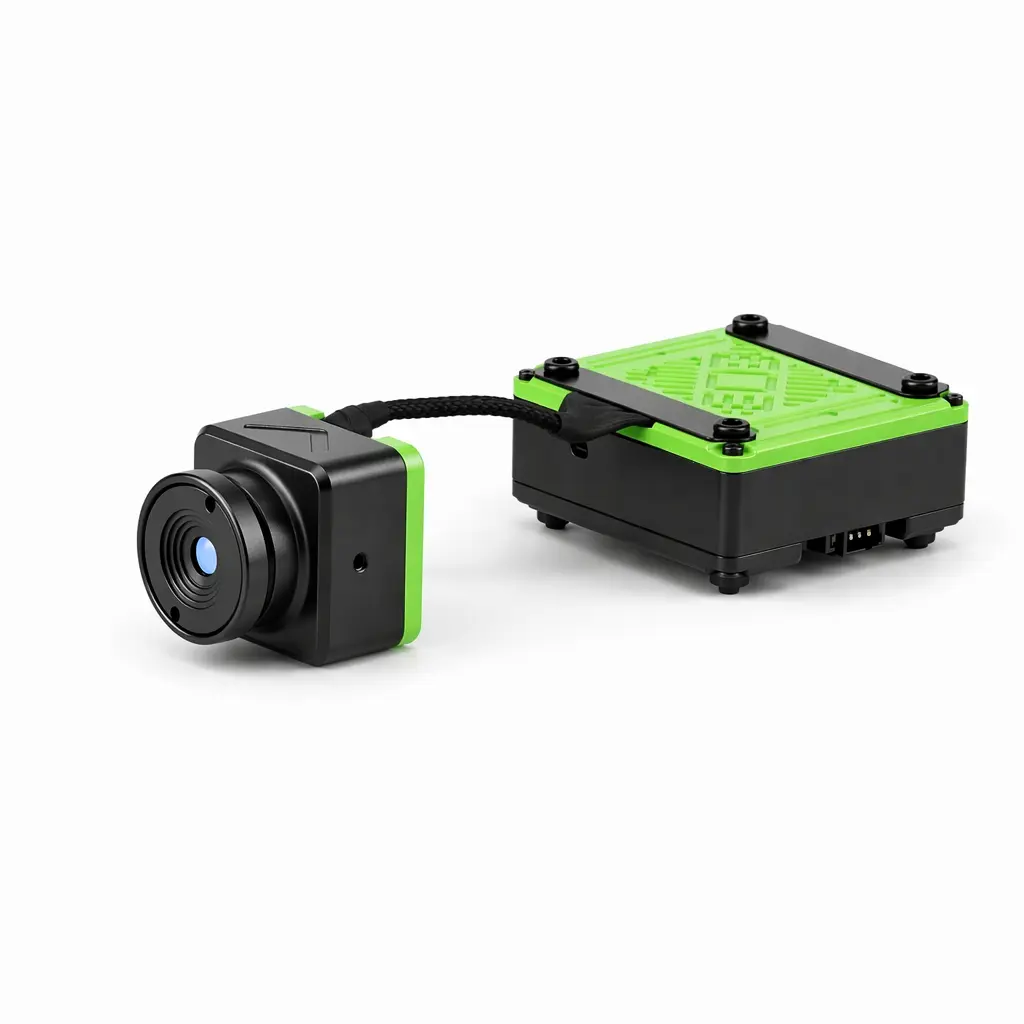
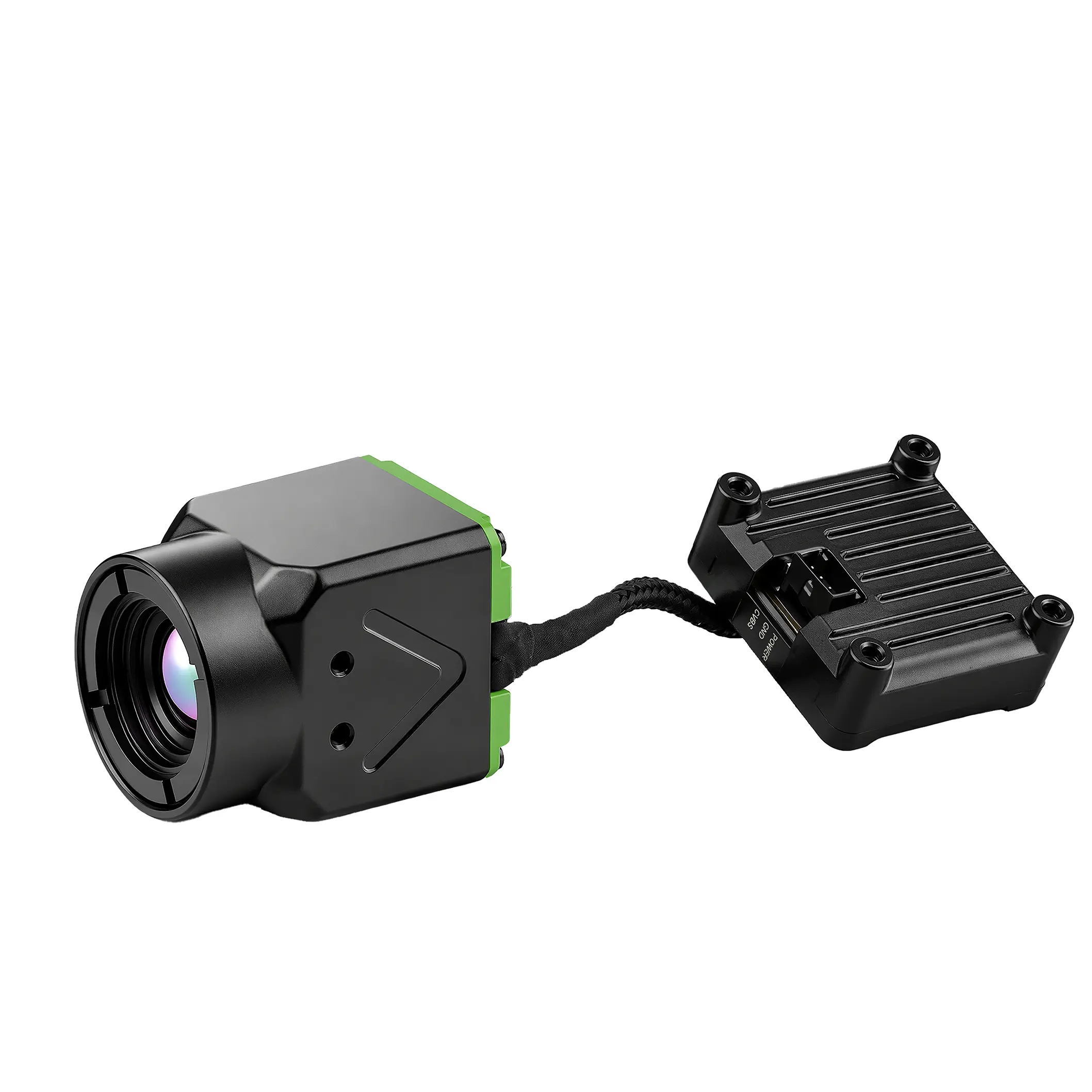
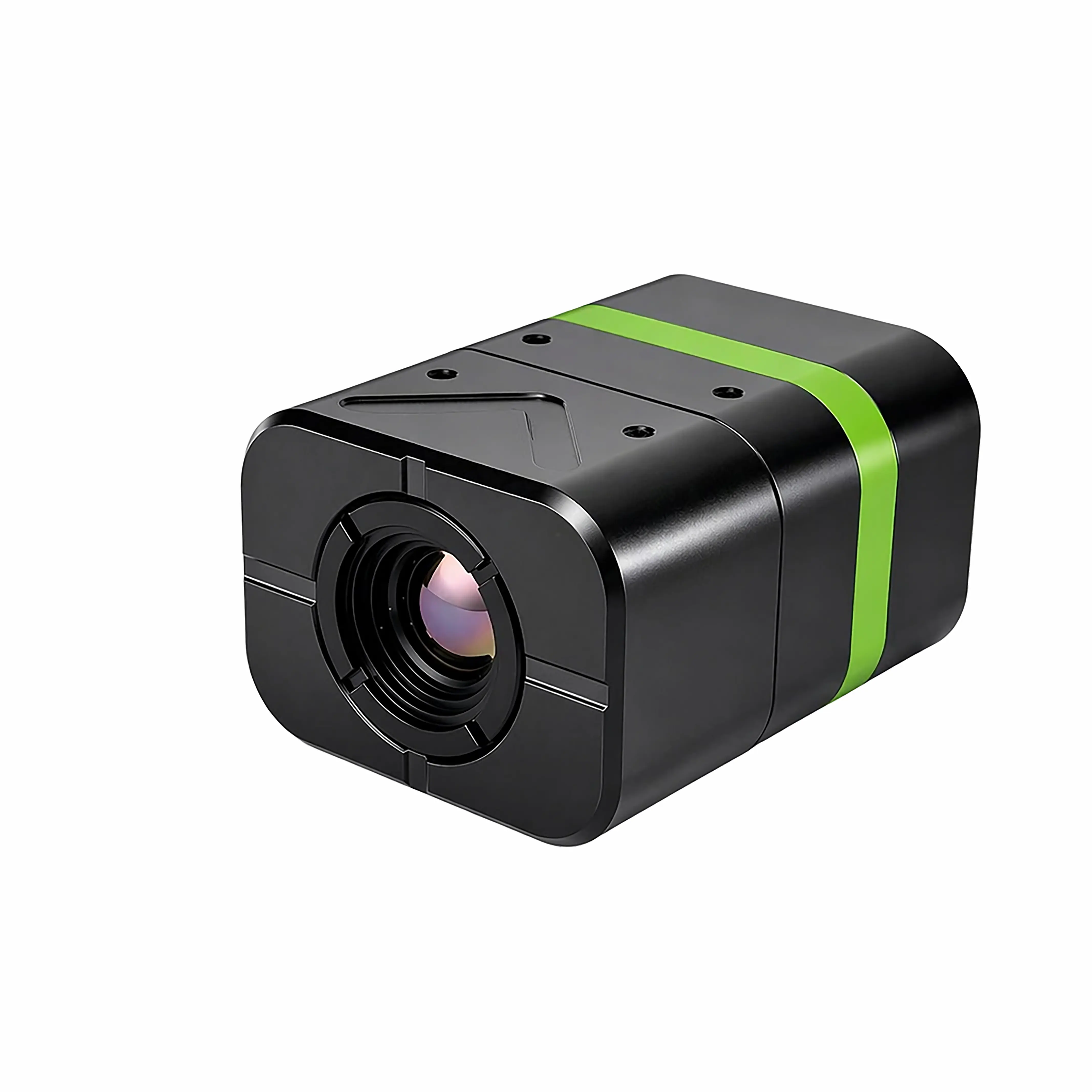
The compact infrared thermal imaging core or module described here is a good example of the kind of product buyers often evaluate. It is a small industrial unit with a front-facing circular lens aperture, a box-like housing, and a matte black finish with a green accent band near the rear. The visible construction suggests an electro-optical assembly built for integration rather than casual use. For buyers, the real decision is not whether the part looks robust. It is whether the supplier can support the right detector performance, interface fit, and customization path for the final system.
What buyers are really trying to solve
Most thermal projects begin with a problem, not a spec sheet. A plant needs non-contact temperature monitoring. A security team wants better night observation. A robotics group needs a payload that can detect heat signatures in low light and difficult weather. In each case, the module has to do two jobs at once: capture useful long-wave infrared data and integrate cleanly into a larger product.
That is why supplier selection is so important. An experienced thermal imaging sensor manufacturer does more than ship hardware. It helps translate application goals into a workable module choice, usually balancing resolution, optics, power constraints, packaging, and the realities of production. A weak supplier can make a small thermal project expensive very quickly, usually through mechanical rework or repeated firmware and interface changes that should have been addressed earlier.
Quick reference: what to look for first
Before comparing vendors line by line, it helps to separate the basic decision points.
Application fit
Start with the use case. Industrial inspection and temperature monitoring often prioritize stable imaging and repeatable performance. Security and search operations may value field coverage, responsiveness, and integration flexibility more heavily. Drone and robotics teams tend to watch weight, size, and power budget closely, though those details are often not obvious from a brochure.
Resolution options
The supplied notes indicate platform options including 256×192, 384×288, and 640×512. Those numbers do not tell the whole story, but they do help frame expectations. Lower-resolution units can be a practical fit for cost-sensitive or short-range monitoring. Higher-resolution modules can support finer thermal detail and broader integration ambition, especially when the system must identify smaller targets or operate at longer distances.
Spectral band
These modules operate in the 8–14 μm band for long-wave infrared imaging. For many non-contact sensing and observation applications, that band is a familiar and useful choice because it supports thermal contrast rather than visible-light reflection. Buyers still need to match the band to the environment, optics, and intended detection distance, rather than assuming one thermal band solves every problem.
Why module construction matters as much as detector performance
People often focus on the detector first, and that is understandable. But a thermal module lives or dies by the integration around the detector. The compact rectangular housing described here, with visible fastener points and a front lens opening, suggests a design intended for secure mounting and system-level assembly. That kind of packaging can be a positive sign for OEM work, because it often indicates the supplier is thinking in terms of productization rather than demo hardware.
Still, external appearance only tells part of the story. Buyers should ask how the optics are arranged, what kind of internal thermal isolation is used, whether the unit is intended as a core or a fully integrated module, and how the electronics are protected during vibration and handling. These are not small details. In thermal systems, mechanical alignment and internal stability can affect image consistency just as much as the sensor choice itself.
Where customized support makes the difference
Many buyers begin with a standard unit and later discover the final product needs a customized thermal imaging solution. That may mean changing the interface, adjusting the mounting arrangement, selecting a different lens configuration, or aligning the module with another board in the system. It can also mean developing a thermal camera package that suits a specific enclosure, power rail, or control architecture.
This is where a supplier earns trust. A responsive partner should be able to discuss integration boundaries plainly: what can be modified, what is fixed, and what trade-offs come with each change. For example, a compact module that looks suitable for a handheld device may also need additional consideration for heat dissipation when placed in a sealed industrial enclosure. A supplier who raises that issue early is usually saving the buyer time later.
Common buying mistakes
There are a few recurring traps that show up across thermal sourcing projects.
One is over-specifying the module without defining the real task. Teams sometimes chase the highest resolution available when the application actually needs reliable detection at a moderate distance and a clean integration path. Another mistake is underestimating the importance of optics and housing. A thermal module is not just a sensor; it is a packaged system. If the enclosure does not suit the target device, the project stalls.
A third mistake is assuming all suppliers mean the same thing when they use terms like core, module, or thermal camera module. Those words can cover different levels of integration. Before placing an order, ask what is included: detector, lens, electronics, housing, software support, and any calibration or configuration services that may or may not be standard.
Finally, buyers sometimes forget the supply chain perspective. If a product is intended for production rather than a one-off prototype, the key question is whether the supplier can support repeatable output and stable platform options. That is often more important than a glossy demo image.
Practical questions to put in the RFQ
When evaluating an infrared camera module supplier, the RFQ should do more than request a price.
Ask what resolution families are available and whether the same platform can be scaled across 256×192, 384×288, and 640×512 builds. Ask which interface options are commonly supported, even if your current project is not finalized. Ask how the module is mounted and whether the mechanical package can be adjusted for your enclosure. If the project is for industrial inspection or security surveillance, ask how the supplier handles consistency between samples and production units.
It is also worth asking about the operating envelope in practical terms. Exact limits are not always published in a simple way, and you should not assume them. A supplier who can explain application boundaries clearly will save you a lot of back-and-forth later. That may sound mundane, but it is usually the difference between a stable program and a series of avoidable engineering changes.
Choosing between a standard module and a tailored build
Not every project needs a fully customized unit. In fact, many do better with a standard thermal module if the application is straightforward. Standard builds are often easier to source, easier to validate, and easier to replace during production. If the device is a portable monitor, a starter security system, or a general inspection tool, standardization can be the smarter path.
Custom work becomes more attractive when the system has unusual constraints: tight enclosure geometry, specialized optics, specific power management needs, or a software stack that must talk to the module in a particular way. In those cases, the value of a customized thermal imaging solution is not novelty. It is reduced friction during integration and a lower chance of redesign after the first prototype run.
FAQ for sourcing and engineering teams
Is long-wave infrared always the right choice?
Not always. The 8–14 μm band is widely used in thermal imaging, but the right choice depends on the application, distance, environment, and the type of thermal contrast you need.
Should I prioritize resolution above all else?
No. Resolution matters, but lens choice, module stability, interface fit, and support for integration often decide whether the project succeeds.
How do I judge a supplier from limited product photos?
Use the photos only as a rough indicator of industrial packaging. The real test is how clearly the supplier describes the module, what it contains, and how it supports integration into your platform.
What applications benefit most from compact thermal modules?
Industrial inspection, non-contact temperature monitoring, security, drones, robotics, firefighting support, search and rescue, and renewable energy inspection are all common use cases.
A sensible next step
If you are narrowing down an infrared camera module supplier, begin by mapping your real integration constraints before comparing catalog numbers. Define the application, the target environment, the preferred resolution range, and the amount of customization you can accept. Then ask the supplier to explain how the module fits that picture, not just how the sensor performs in isolation.
For teams working on industrial or OEM projects, the right conversation is usually about fit, not hype. A compact infrared thermal imaging module with 8–14 μm operation and platform options across 256×192, 384×288, and 640×512 can be a solid starting point. The better question is whether the supplier can help turn that starting point into a workable product without surprises halfway through development.